Indiana · St. Joseph River Valley
LaGrange County
Amish farms, rolling hills and lakes on the Michigan line.
Project Scroll is an independent local-history website. This is not an official page of LaGrange County or of any township, city or village in it. For official business, contact the county or local offices directly.
Welcome
LaGrange County, Indiana
LaGrange County was carved out of Elkhart County in 1832 and named for La Grange, the country home of the Marquis de Lafayette outside Paris. Lima was the first county seat; LaGrange replaced it in 1842.
About 40,400 people live here today (40,446 at the 2020 census), in LaGrange, Shipshewana, Topeka and Wolcottville, eleven townships and one of the largest Amish communities in the United States. Pick a place to begin.
Cities and towns
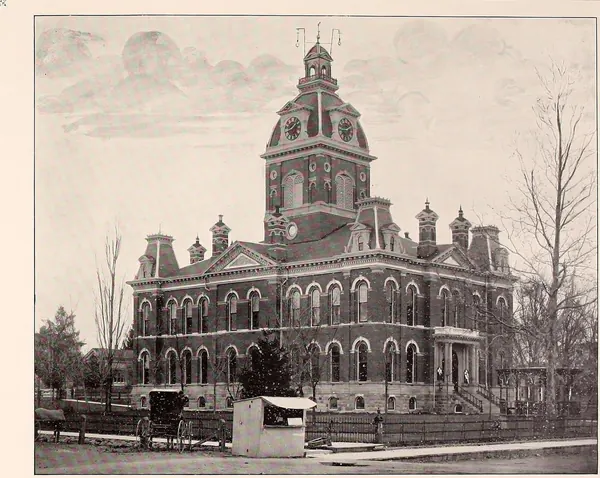 LaGrange
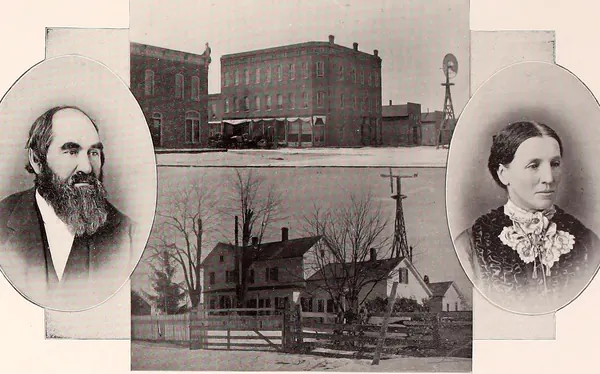 Shipshewana
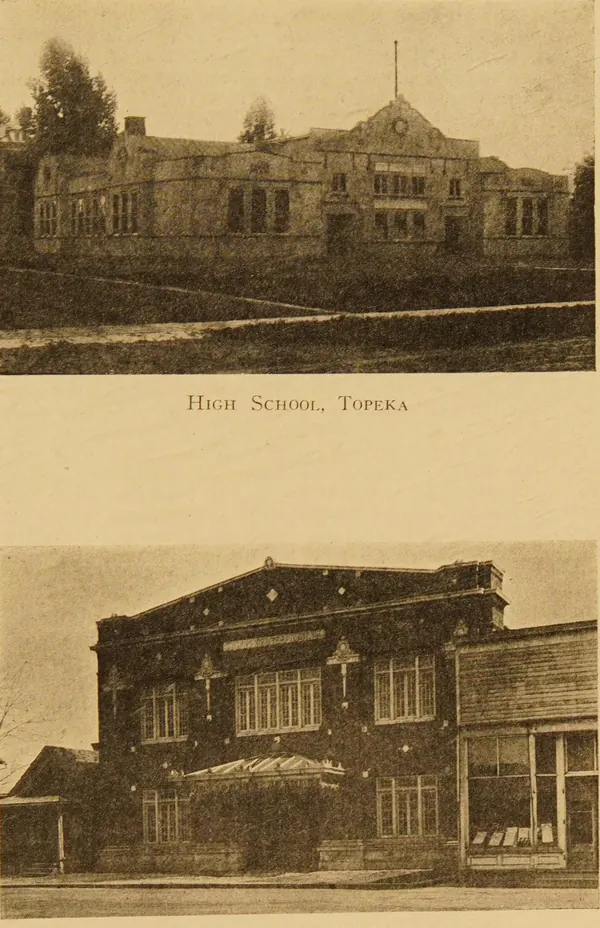 Topeka
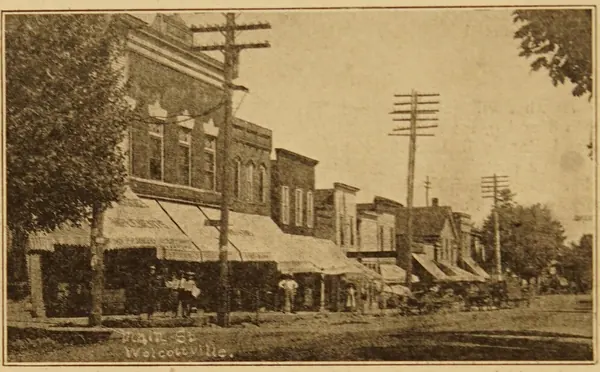 Wolcottville
Crossroads and hamlets
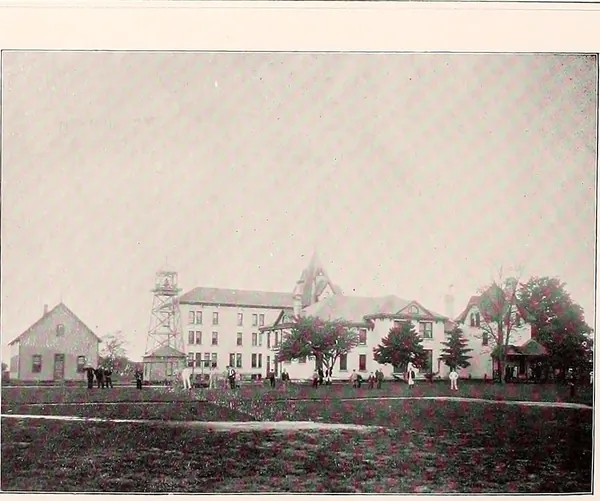 Howe
Townships
- Bloomfield TownshipTownship · The county seat’s rolling home township, cleared from heavy forest.
- Clay TownshipTownship · Marsh and timber country that was the last to be settled.
- Clearspring TownshipTownship · Named for a famous spring on the edge of the Haw Patch.
- Eden TownshipTownship · The Haw Patch, named for a garden.
- Greenfield TownshipTownship · Pretty Prairie and English Prairie on the Michigan line.
- Johnson TownshipTownship · The lake country of LaGrange County.
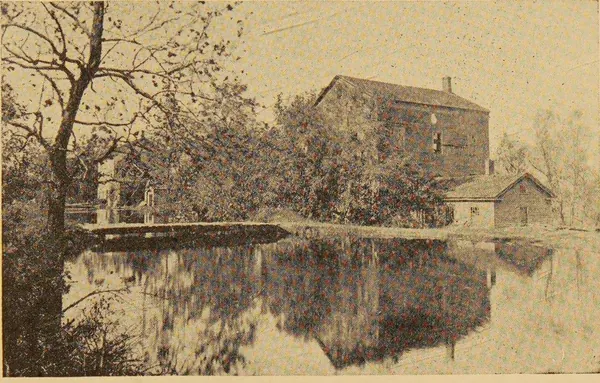 Lima TownshipTownship · Where LaGrange County began, on Mongoquinong Prairie.
- Milford TownshipTownship · Named for a mill at a ford, home of the first Regulators.
- Newbury TownshipTownship · Amish farms around Shipshewana Lake.
- Springfield TownshipTownship · Union Mills, a Fourier phalanx, and the Pigeon River marshes.
- Van Buren TownshipTownship · Lakes and mill seats on the Pigeon River, named for a president-elect.