
About · The researcher
Michael Urbanski
Independent historian and author
ORCID 0009-0006-8183-5828LinkedInB.F.A., Visual CommunicationsResearch notes archived on Zenodo
Michael Urbanski is an independent historian of the St. Joseph River Valley of southwest Michigan and northern Indiana. He works from the original records (deeds and land surveys, treaties, letters, census schedules and the newspapers of the day) and writes the valley’s history from what those documents actually say. When the record holds something no published history has noted, he documents it and makes it public: 183 findings to date, from stories that cite 1,863 sources, with the most significant issued as citable research notes carrying permanent DOIs.
- 53
- stories researched and written
- 183
- findings in the register
- 6
- research notes with DOIs
- 1,863
- sources cited
The record made visible
Maps, models and pictures made from the records themselves, so a reader can see what the documents describe.
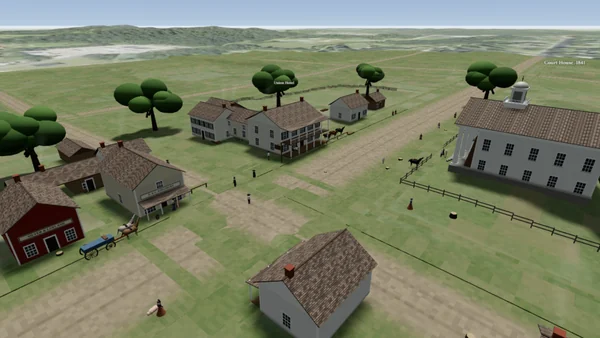
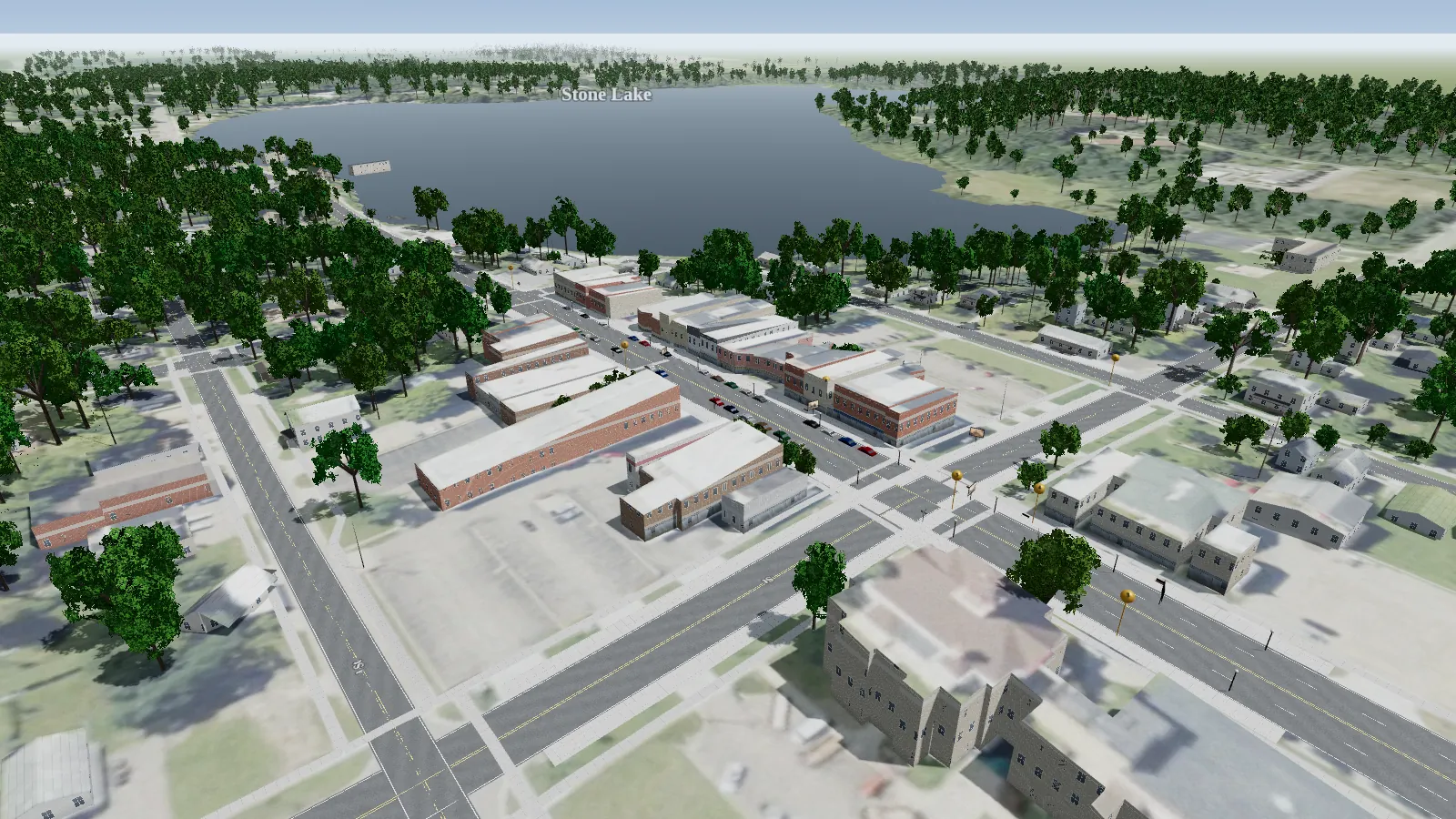 From the laser surveyBroadway in 3DCassopolis rebuilt from the public laser survey, every building at its measured height. Walk it.
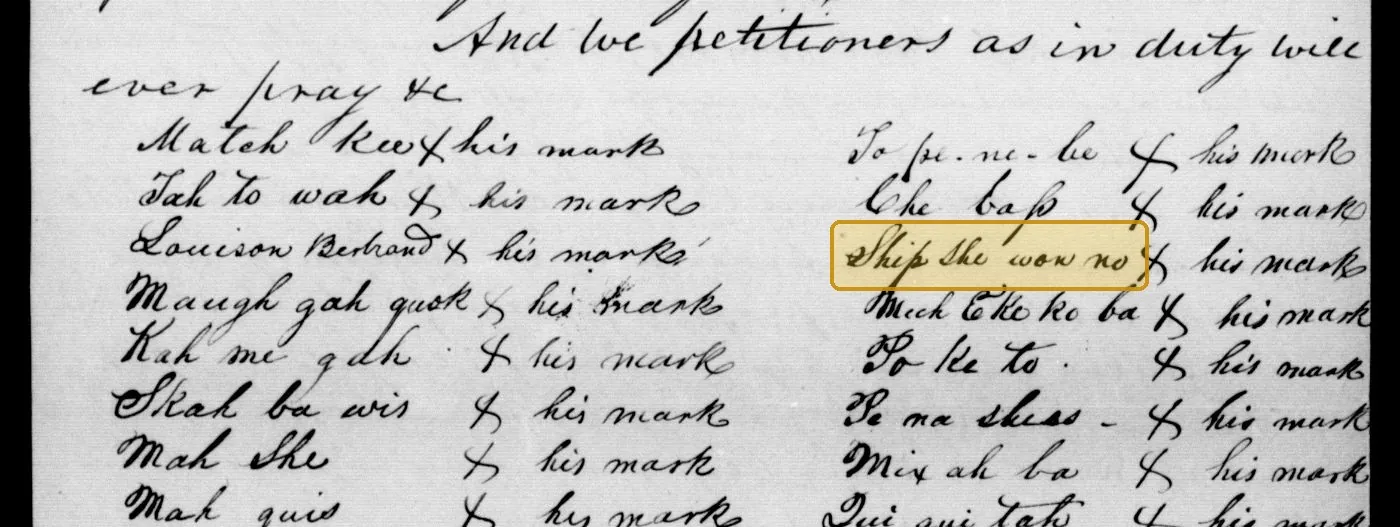 From the microfilmA faded petition, readThe 1841 petition and its signers, brought up from the National Archives microfilm and read mark by mark.
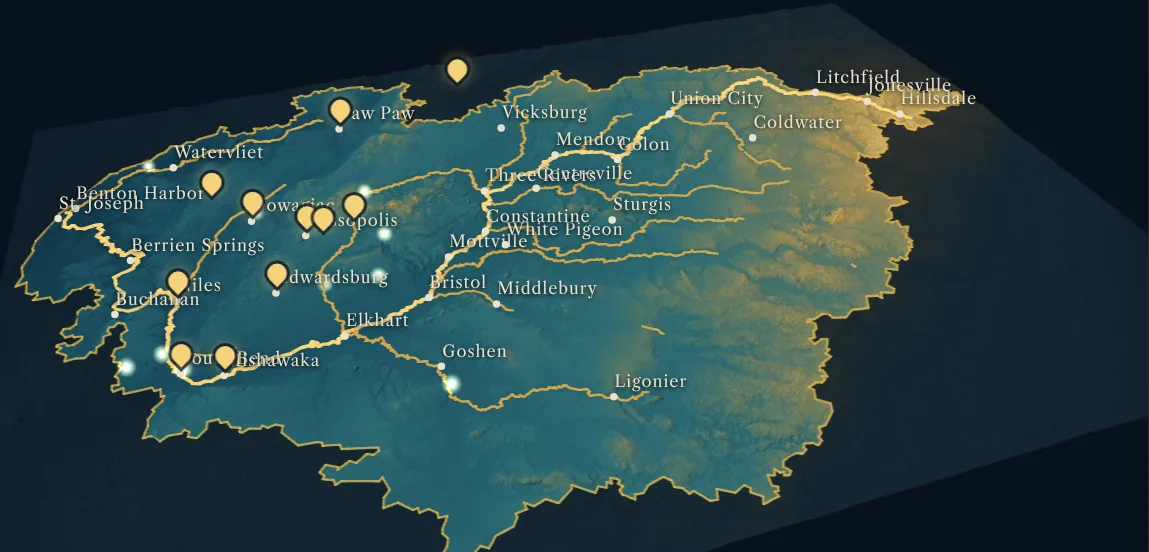 From the laser surveyFly the valleyThe whole St. Joseph River Valley, Hillsdale to Lake Michigan, built from the USGS laser survey. Turn it, fly it, find the lost towns.


From the studio

Concept illustrationA phoenix of folded paper 
Architectural visualizationA room before it is built 
Portrait drawingA portrait in pencil 
Menu photographyBerries for a menu 
Product imageA gold four-leaf clover 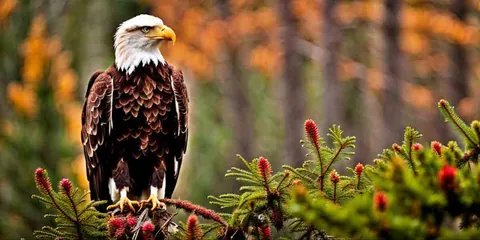
WildlifeA bald eagle on a pine


Project Scroll Studio. Trained in visual communications (B.F.A.), he also runs the site’s studio: imaging and restoration, illustration and design, photography, film and 3D landscapes made from LiDAR.
Findings
Facts found in the original records that no modern history had. Each opens with the record it came from.
Newest
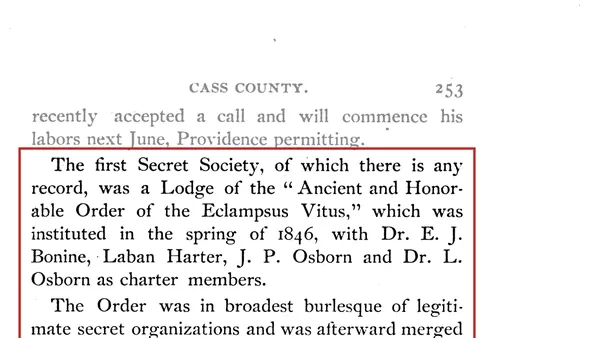 New findingConnectionDr. Evan J. Bonine’s mother and his wife’s mother, both named Sarah Talbot, were aunt and niece: Mrs. Beall was a daughter of Samuel Talbot of Centreville, the…In A lodge of E Clampus Vitus, in Cassopolis, in 1846
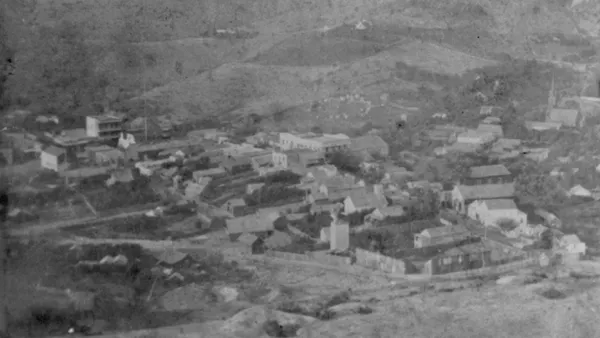 New findingNew recordThe first records of the old order in Oregon and New Mexico: the order “conferred” on George H. Williams, later Grant’s Attorney General, on Canyon Creek in the…In E Clampus Vitus: the complete record
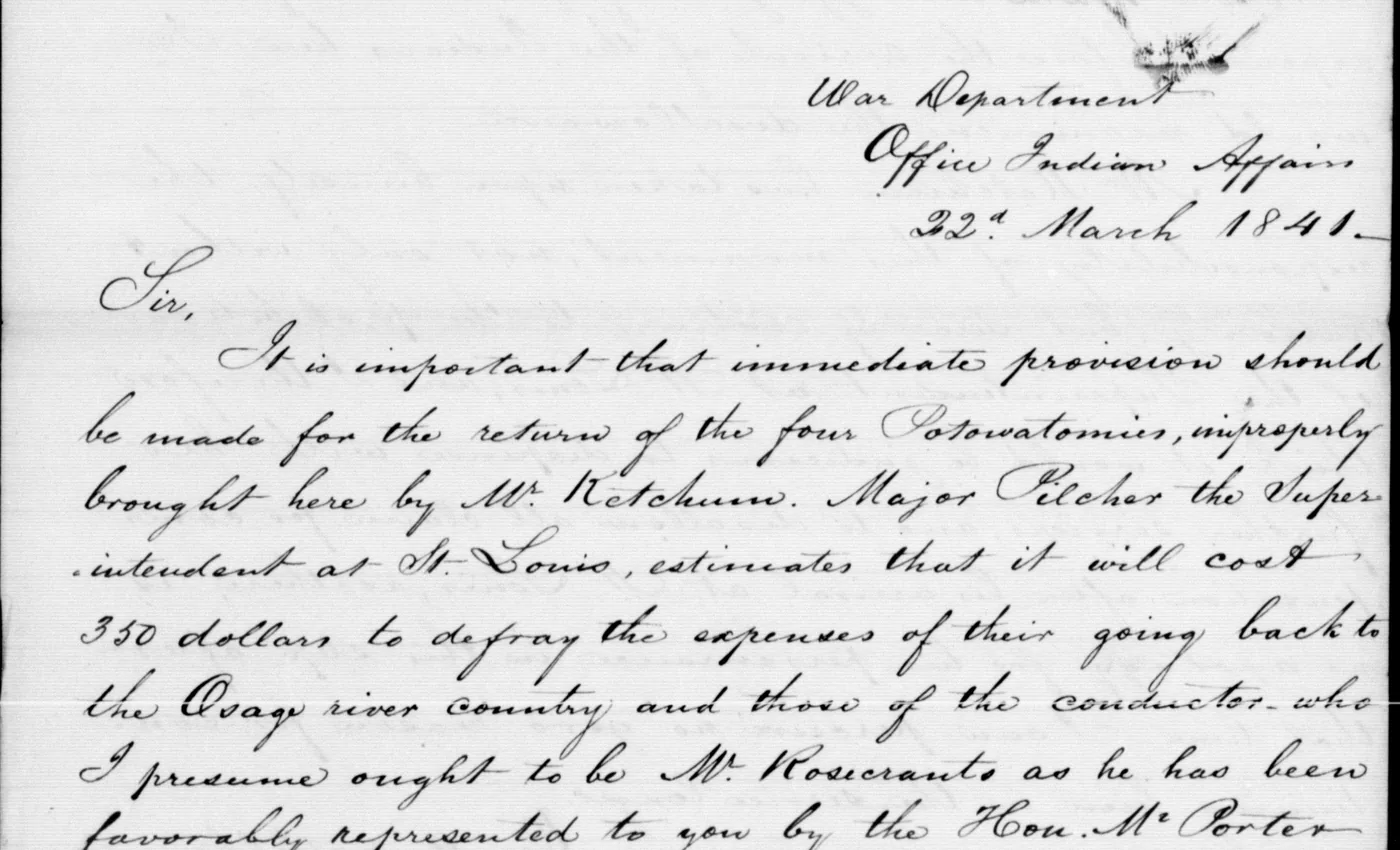 New findingNew recordHow Mucka moat’s unauthorized trip to Washington ended. On 22 March 1841 the Commissioner of Indian Affairs, T. Hartley Crawford, told the Secretary of War, John…In The Shipshewana Puzzle: One Name, at Least Five People
Landmark
- New finding · Note 1The earliest dated mention of E Clampus Vitus yet foundConnersville, Indiana, 27 February 1846doi:10.5281/zenodo.23631258
- New finding · Note 2The Cassopolis lodge of 1846The earliest lodge of E Clampus Vitus yet found with its members nameddoi:10.5281/zenodo.23631260
- New finding · Note 4The earliest L in Kalamazoo yet foundSchoolcraft’s “Kikalemazo” of 1820, and the likely atlas of 1823doi:10.5281/zenodo.23631264
All 183 findings in the discoveries register ›All research notes ›
Case studies
Three findings from start to finish: the record, how it was read, what it showed, and what changed because of it.
Shipshewana · National Archives
A chief alive in Kansas, the year the plaque says he died
- The recordPotawatomi letters and a petition from the Osage River in Kansas, 1841, on National Archives microfilm M234, roll 642, and the muster roll of October 1842.
- The methodA 2007 book had reported letters of those months without saying where they were. He found them on the microfilm and read every signature on the page images, mark by mark, against the 1931 plaque and the county history of 1882.
- The findingA “Ship she wah no” signed in February 1841; a “Ship she won no” signed the band’s petition to President Tyler in November and the delegates’ letter in Washington in December, the year the plaque has the chief die by the lake.
- The resultThe plaque’s story is found in no source before 1931. Three new records went into the register, and which of the men of the name is the treaty chief stays an open question, in public.
E Clampus Vitus · Rogers’s county history, 1875
The Cassopolis lodge of 1846
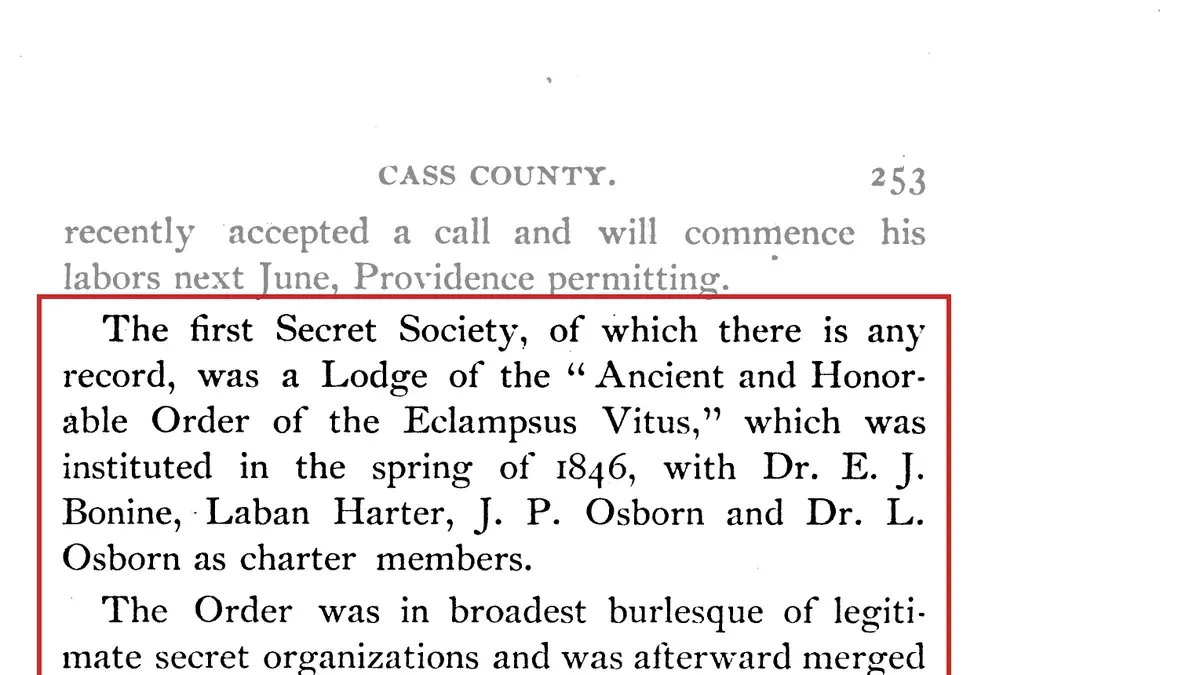
- The recordHoward S. Rogers’s History of Cass County of 1875, pages 253–254, and the county history of 1882, which name the lodge’s four charter members.
- The methodHe read the account against the order’s published histories and the Indiana newspapers of 1846, then followed the four founders’ families.
- The findingDr. E. J. Bonine, Laban Harter, J. P. Osborn and Dr. L. Osborn instituted the lodge in the spring of 1846: the earliest lodge of the order yet found with its founders named, and the first known in Michigan.
- The resultThree of the four men married sisters of one family from Centreville, Indiana, the town whose own lodge sought a charter that winter. Published as a research note with a DOI.
Place names · Printed journals and maps
The earliest L in Kalamazoo
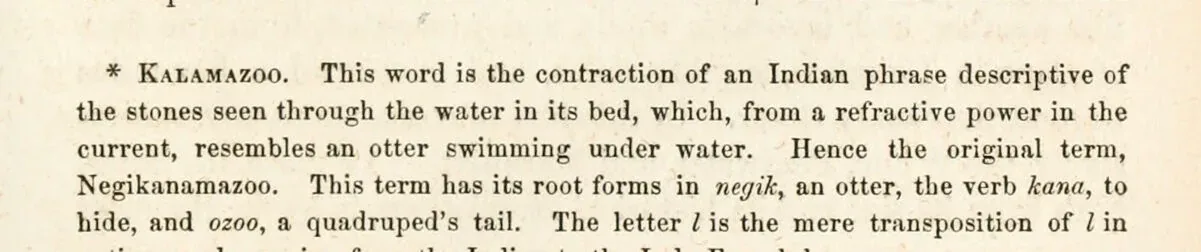
- The recordHenry R. Schoolcraft’s Narrative Journal of 1821, page 396; Carey & Lea’s map of Michigan Territory of 1822–23; a French memoir of about 1763.
- The methodHe tested the published claim, repeated by the public library and by Wikipedia, that the L first appears in the treaty of 1821 or an unnamed “atlas of 1823”, against the journals and maps printed before them.
- The findingOn 4 September 1820, a year before the treaty, Schoolcraft “passed the river Kikalemazo”. The atlas is very likely Carey & Lea’s, which spells the river his way exactly.
- The resultThe earliest L yet found, a year older than the histories say, with an eighteenth-century witness to the older spelling. Published as a research note with a DOI.


The record decides.
How he works
The same four steps behind every story and every finding.
- Find the recordCounty histories, deeds, surveys, treaties, death certificates, letters and the newspapers of the day: the oldest witness that can be reached.
- Read it on the pageEvery quotation is taken from the page image, not from a transcription or machine-read text.
- Compare and markSources are compared until they agree, or until he can say exactly why they don’t, and every paragraph is marked with what it rests on in Scrollsigns.
- Publish what is newWhat no modern history has goes into the discoveries register as a new finding; the larger ones become research notes with a DOI.
Tools and methods, standards and ethics, research areas
StandardsWhat the Scrollsigns meanCorrectionsThe sources shelf
Tools and methods
Research
- Archival research in national, state and county collections
- Palaeography: reading eighteenth- and nineteenth-century hands
- Land records: surveys, plats, tract books, township and range
- Historic newspapers and county histories
- Genealogy and family reconstruction
- Place-name history
- Source grading, marked paragraph by paragraph in Scrollsigns
Visual
- Archival imaging and enhancement of faded documents
- LiDAR terrain modelling and GIS
- Cartography and historical map overlays
- 3D modelling and animation
- Editorial and graphic design
- Web design
- Photography and image restoration
Standards and ethics
- The record decidesEvery statement is marked with what it rests on, and a story that turns out to be wrong is corrected in public, on the corrections page.
- No digging, no trespassingThe hunt and every story stay on public ground and in public records. Nobody is ever asked to dig, trespass or knock on a door.
- Private families stay privateNo living person’s address or private details are published, and family papers lent for research are returned as they came.
- Native history with carePlaces sacred to living communities are not mapped or named as such, and tribal history is taken to the tribe’s own historic preservation office before it is published.
- Credit where it is dueEvery source is listed in full, earlier researchers are named, and a finding is called new only after the published histories have been searched for it.
Research areas
Selected publications
His research notes, each a short citable write-up of one finding with a permanent DOI, and the stories that carry the most new findings.
Research notes with DOIs 6
- Note 6Urbanski, Michael. “Seven elk for the King of Italy: James E. Bonine’s own account of 1875.” Project Scroll Research Notes, 2026-06. Zenodo. https://doi.org/10.5281/zenodo.23638846
- Note 5Urbanski, Michael. “The Kentucky raiders’ bail and wagon: what the Licking Valley Register reported in September 1847.” Project Scroll Research Notes, 2026-05. Zenodo. https://doi.org/10.5281/zenodo.23631269
- Note 4Urbanski, Michael. “The earliest L in Kalamazoo yet found: Schoolcraft’s “Kikalemazo” of 1820, and the likely atlas of 1823.” Project Scroll Research Notes, 2026-04. Zenodo. https://doi.org/10.5281/zenodo.23631264
- Note 3Urbanski, Michael. “Ephraim Bee in the newspapers, 1855–1860: the remembered founder of E Clampus Vitus in records of his own day.” Project Scroll Research Notes, 2026-03. Zenodo. https://doi.org/10.5281/zenodo.23631262
- Note 2Urbanski, Michael. “The Cassopolis lodge of 1846: the earliest lodge of E Clampus Vitus yet found with its members named.” Project Scroll Research Notes, 2026-02. Zenodo. https://doi.org/10.5281/zenodo.23631260
- Note 1Urbanski, Michael. “The earliest dated mention of E Clampus Vitus yet found: Connersville, Indiana, 27 February 1846.” Project Scroll Research Notes, 2026-01. Zenodo. https://doi.org/10.5281/zenodo.23631258
Download citationsBibTeXRIS (Zotero, EndNote, Mendeley)
In preparation for Zenodo 6
- Note 15The forgotten revival of E Clampus Vitus, 1915–1920: the Marysville boosters’ lodges, numbered one to eight, and how the war ended themDOI to come
- Note 13E Clampus Vitus before the California Legislature: the Senate debate at Benicia struck from its journal (March 1853), and the Assembly’s dollar-a-member resolution (April 1855)DOI to come
- Note 11Older than “about 1839”: the Treats, Henry Dewey and the red-chalk warning on the road to Dewey’s Lake, Silver Creek Township, MichiganDOI to come
- Note 9Three names at once: Crum’s Point, Crumtown and Crumstown, St. Joseph County, Indiana, 1875–1903DOI to come
- Note 8Three sawmills on Potato Creek, 1863: the mills on the ground of Potato Creek State Park, IndianaDOI to come
- Note 7A museum before the museum: the Cass County Pioneer Society’s collection, 1874–1899DOI to come
Selected stories
- 32 findingsUrbanski, Michael. “E Clampus Vitus: the complete record.” Project Scroll. https://projectscroll.com/news/e-clampus-vitus-the-complete-record/
- 15 findingsUrbanski, Michael. “The True Story of the Dewey Lake Monster: The Week the Valley Went Wild.” Project Scroll. https://projectscroll.com/news/the-week-dewey-lake-went-wild/
- 13 findingsUrbanski, Michael. “Crumstown: The Point, the Partners and the Mastodon.” Project Scroll. https://projectscroll.com/news/crumstown/
- 11 findingsUrbanski, Michael. “Before the lake: the farms of Potato Creek.” Project Scroll. https://projectscroll.com/news/before-the-lake-at-potato-creek/
- 10 findingsUrbanski, Michael. “The Bonine House at Vandalia.” Project Scroll. https://projectscroll.com/news/the-bonine-house/
- 9 findingsUrbanski, Michael. “A lodge of E Clampus Vitus, in Cassopolis, in 1846.” Project Scroll. https://projectscroll.com/news/e-clampus-vitus-in-cassopolis-1846/
Stories
53 stories, every one sourced, gathered by series.

Shipshewana 3
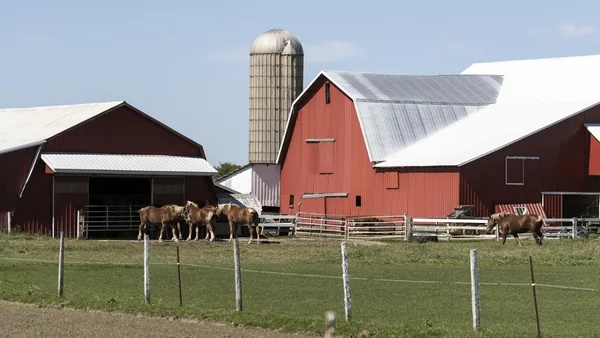


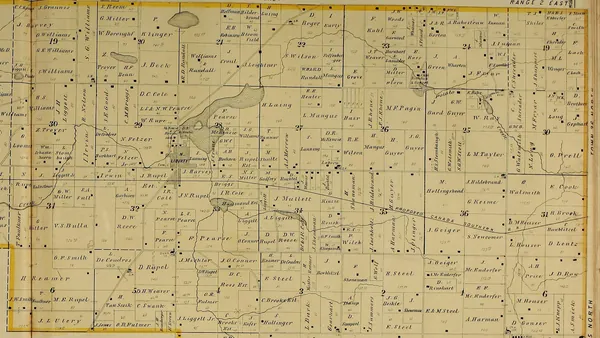
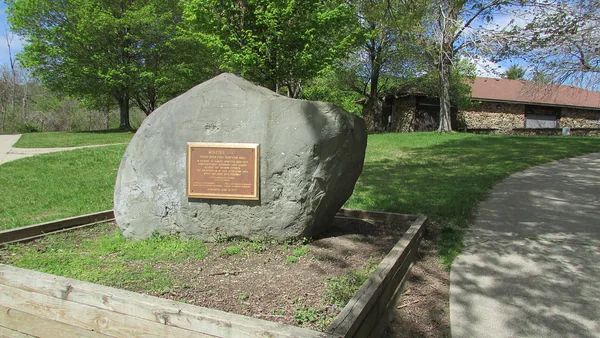
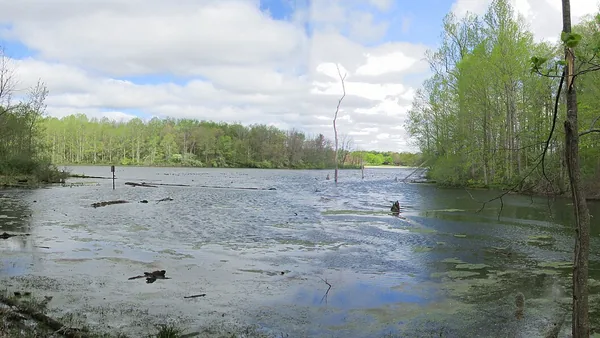
Potato Creek 3


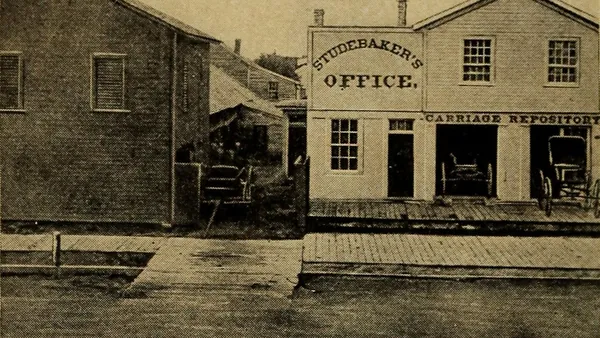
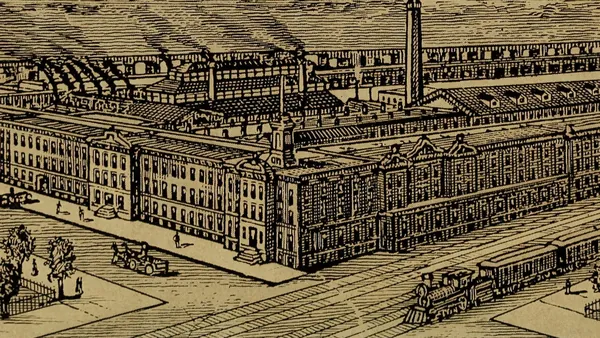
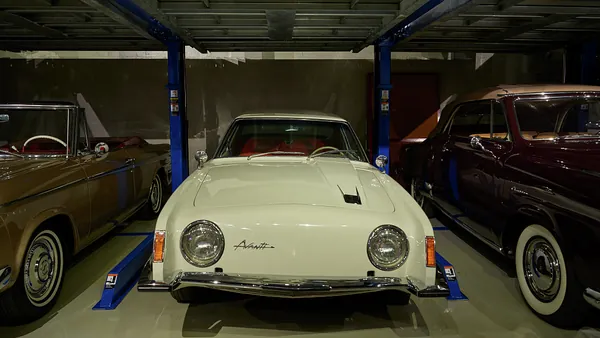
The Studebakers 3


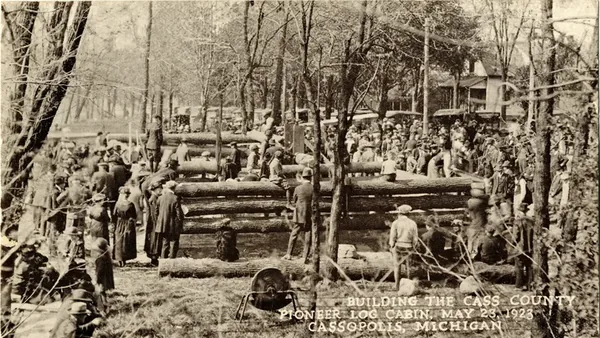
The Pioneer Society 3
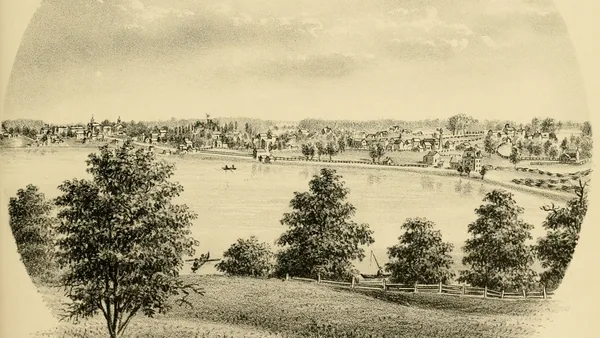


The Underground Railroad 2


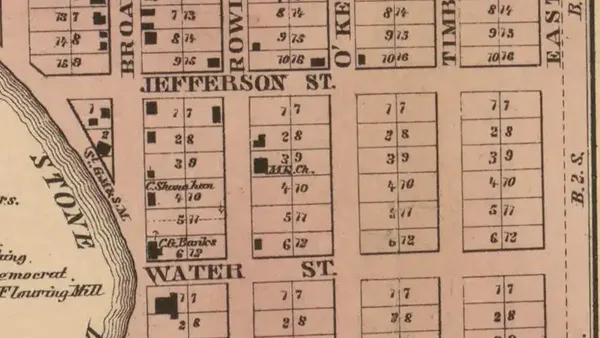
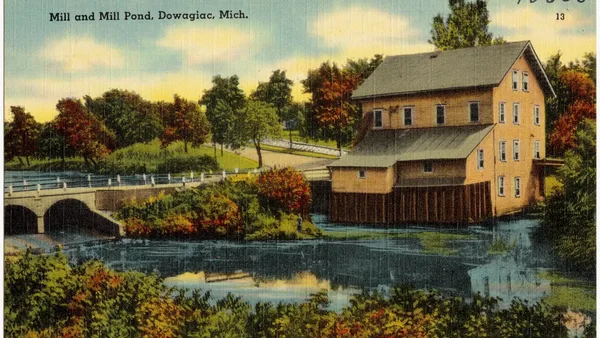
How the towns got their names 7


Show all 7Show fewer


E Clampus Vitus 2


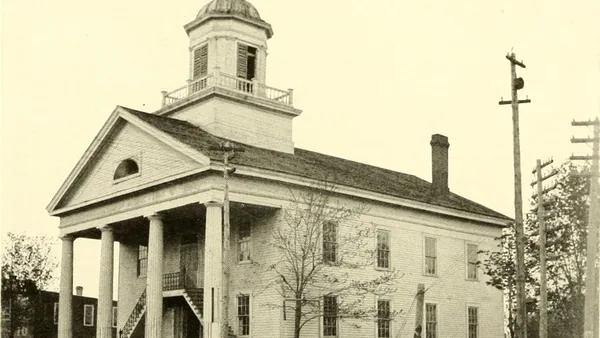
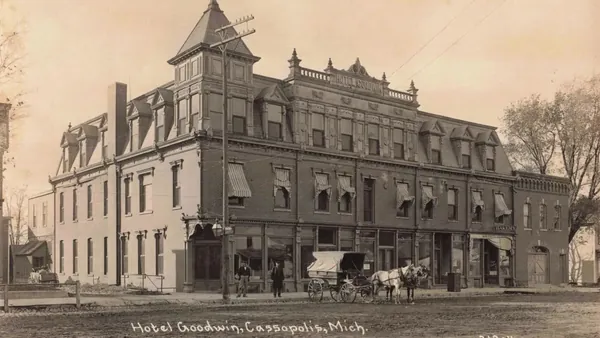
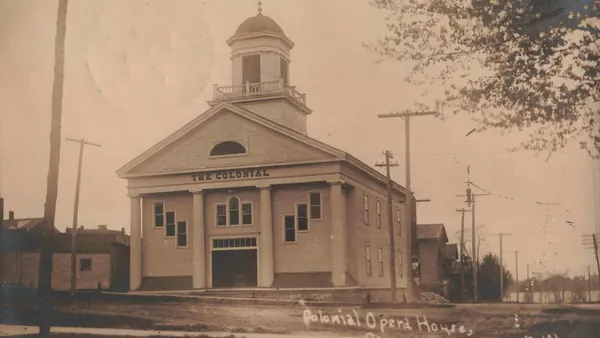
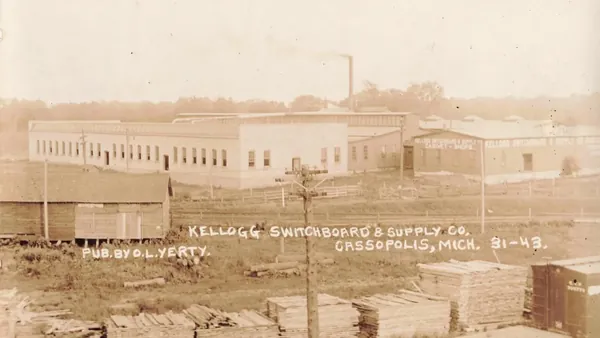
Old Cassopolis 4


Show all 4Show fewer

Single stories 26


Show all 26Show fewer
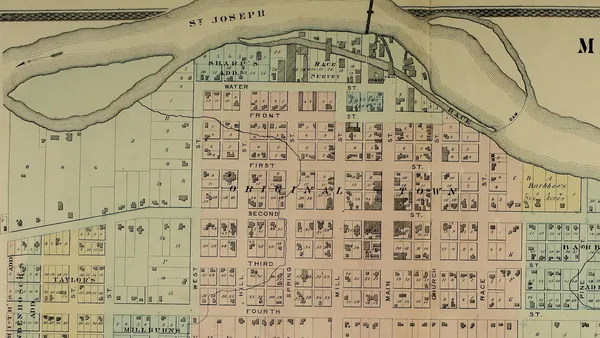
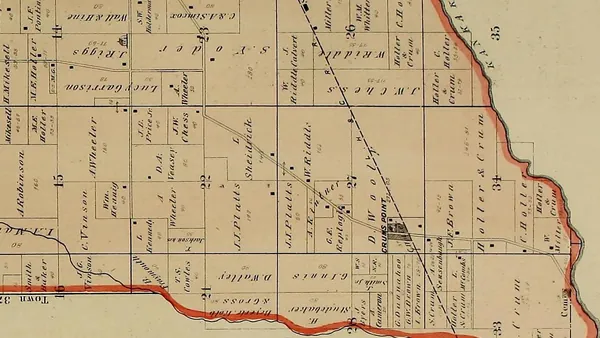
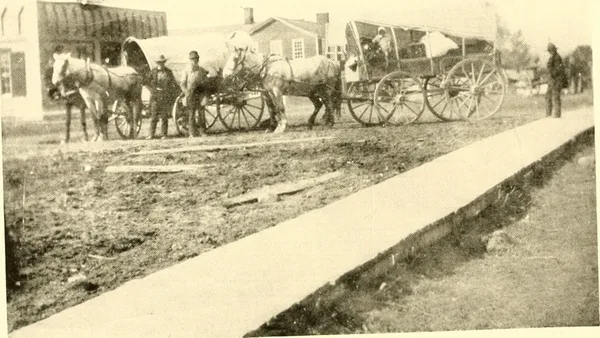
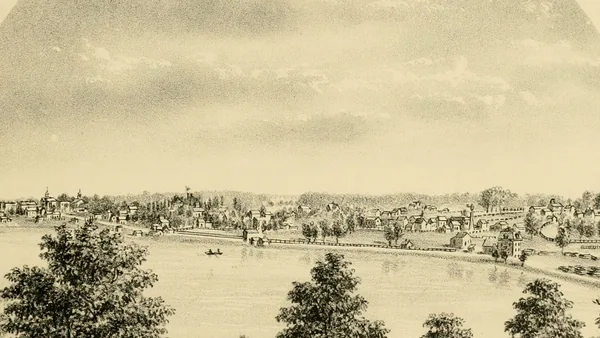
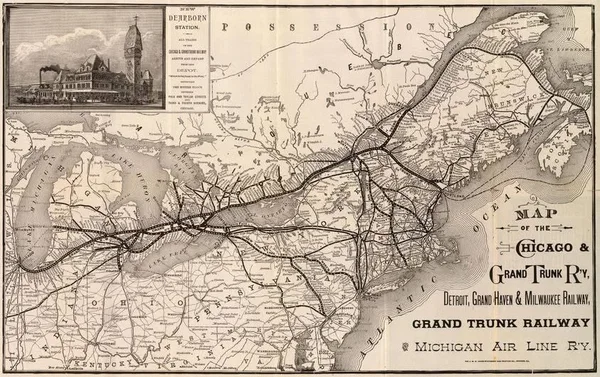
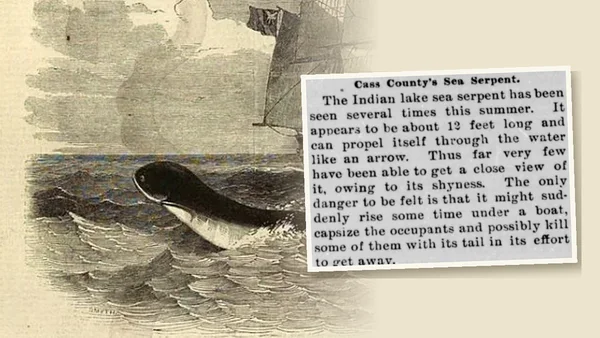
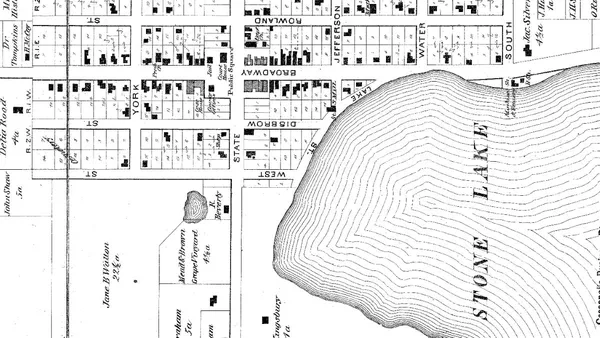
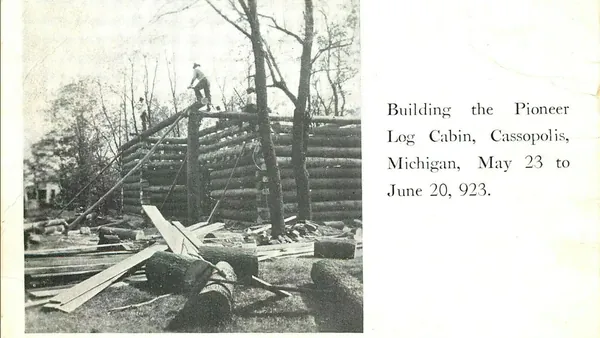
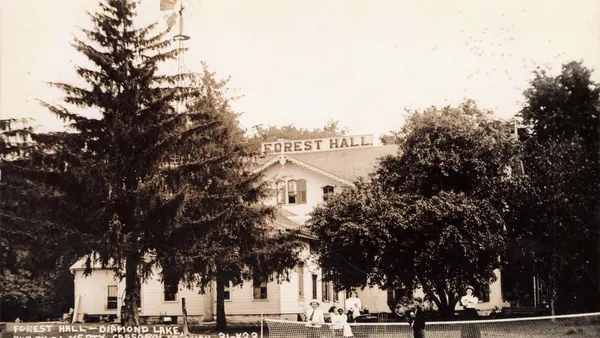
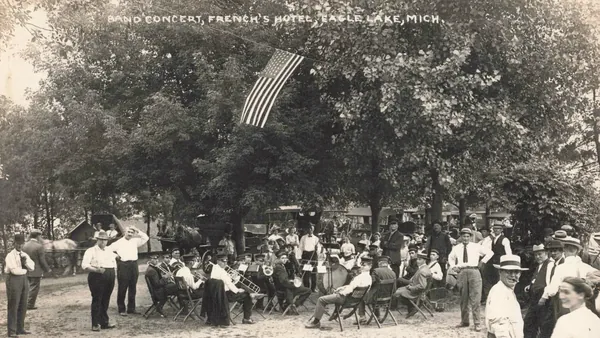
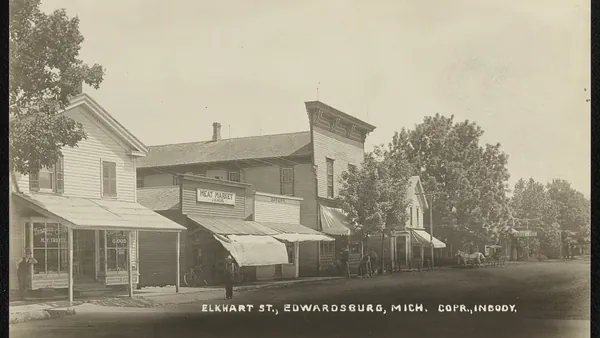
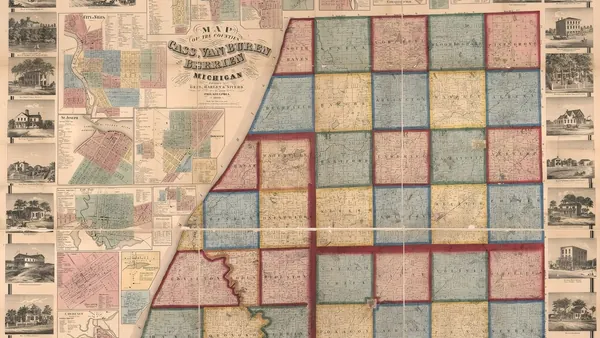
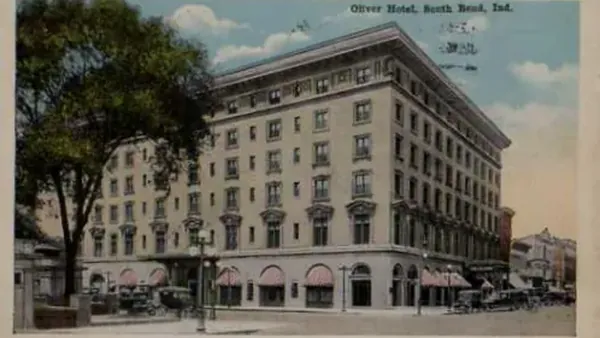
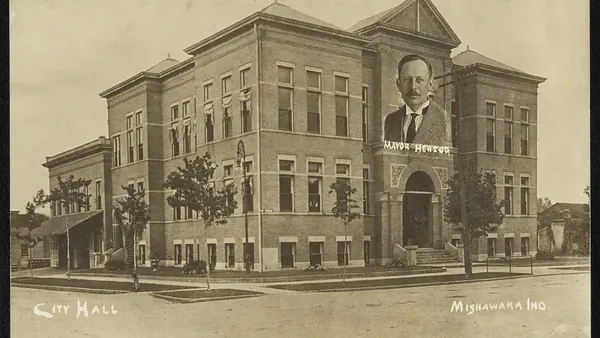
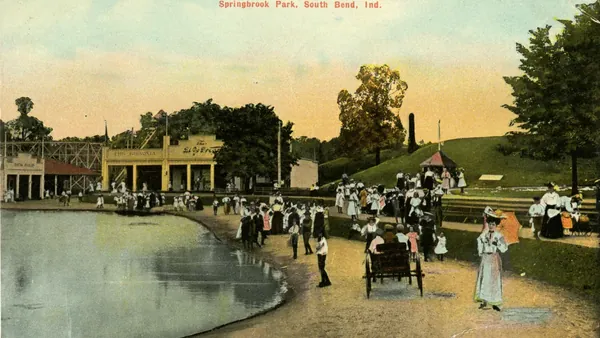
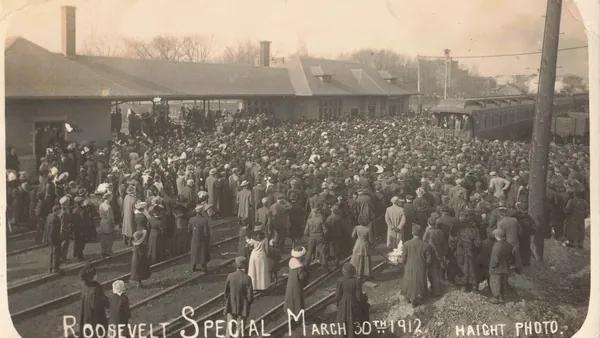
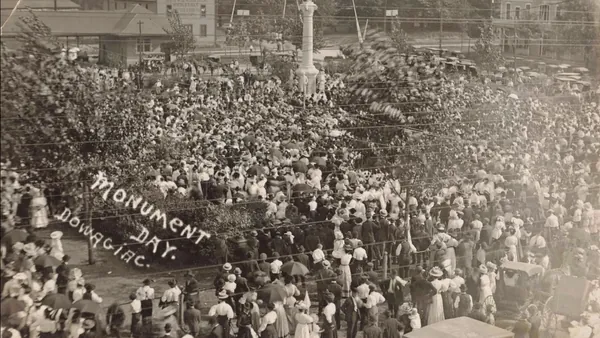


The series at a glance, and where the stories are
- Shipshewana
- Potato Creek
- The Studebakers
- The Pioneer Society
- The Underground Railroad
- How the towns got their names
- E Clampus Vitus
- Old Cassopolis
- Single stories
Commission research
The same research behind these stories, for your own question: an ancestor, a place, an heirloom, a family story. Every commission starts with an honest first read.
Research 10 kinds of question
Lost ancestors
Census rolls, death certificates, deeds, wills, church books and old newspapers, compared line by line. When the records disagree, we work out who was remembering, and when.
Forgotten places
A vanished mill, a schoolhouse, a cabin or a whole village, found again on old plat maps, surveyors’ field notes and county atlases.
Heirlooms no one can explain
An old photograph, a lodge badge, a deed, a letter or a piece of jewelry, traced through the people who owned it.
Mysteries, resolved
Giant bones, underground rivers, buried treasure. We read the story against the records and tell you which parts hold up and which don’t.
Who said it first
A family story, a famous quote or a local legend, traced back to the first time it was printed. Who wrote it down? Were they there? Who told them?
Family histories and registers
Every descendant of one couple, or every ancestor of one person, in an ancestral monograph, built from the records, with every statement marked and every gap shown honestly.
Is the family story true?
The Ellis Island name change, the famous ancestor, the three brothers who came over together. We find where the story began and what the records say.
Lodges, churches and old societies
Rosters, proceedings and minute books, where they survive and their keepers allow access, to learn who belonged, when, and what they did.
A second pair of eyes
A family history, a book chapter or an article checked against its sources before it goes out into the world.
Other research
Background for books, films and exhibits, house and building histories, and the question that fits none of the boxes above. Ask; we will say honestly whether the record can answer it.
How a commission works, and questions people ask
- Tell him what you knowA name, a place, rough dates, and whatever the family says.
- An honest first readWhat the records are likely to show, what they probably can’t, and what it would cost, before you commit to anything.
- The searchCertificates, deeds, censuses, old newspapers, county histories and maps, compared line by line.
- The reportPlain English, every statement marked, every source listed, and what is still open. The report is yours.
How much does it cost?
It depends on the question and on what survives, so there is no price list. Ask us: every commission starts with an honest first read, before you commit to anything.
How long does a research case take?
Some mysteries open in an afternoon; some take a season. Expect a first reply within a few days. A full read of your records takes longer, and we say how long before we start.
What if the records can’t answer it?
Then we say so, plainly, and show where we looked. A gap shown honestly is worth more than a guess written up as a fact. Records after about 1950 are often closed for privacy, and we don’t locate living people.
What happens to my photographs and papers?
Everything you send is handled gently and returned as you sent it. For studio work you get the finished files; for research, the report is yours.
Who owns what he finds?
You own the report. The findings themselves are history, and with your permission the new ones go into the public discoveries register with credit to you, so the next researcher can find them.
Biography and press kit
For a society newsletter, an event listing or an introduction. Copy whichever length fits.
Short 53 words
Michael Urbanski is an independent historian and author. He is the researcher and writer behind Project Scroll (projectscroll.com), where he writes narrative nonfiction about the history of the St. Joseph River Valley of southwest Michigan and northern Indiana from the original records and publishes new findings as research notes with DOIs on Zenodo.
Medium 118 words
Michael Urbanski is an independent historian and author, and the researcher and writer behind Project Scroll (projectscroll.com). He writes narrative nonfiction about the history of the St. Joseph River Valley of southwest Michigan and northern Indiana, from the original records: county histories, deeds, surveys, treaties, death certificates, letters and the newspapers of the day. Every quotation is read from the page image, and every paragraph is marked with what it rests on. Findings that no modern history has go into the site’s discoveries register, and the larger ones are published as research notes with DOIs on Zenodo. He holds a B.F.A. in Visual Communications, and that training is behind the site’s maps, plates and designs. ORCID iD 0009-0006-8183-5828.
Long 234 words
Michael Urbanski is an independent historian and author, and the researcher and writer behind Project Scroll (projectscroll.com). He writes narrative nonfiction about the history of the St. Joseph River Valley of southwest Michigan and northern Indiana. His work starts from the original records, the oldest witnesses that can be reached: county histories, deeds, surveys, treaties, death certificates, letters and the newspapers of the day. Every quotation is read from the page image rather than from a transcription, sources are compared until they agree or until he can say exactly why they do not, and every paragraph is marked with what it rests on. To date he has written 53 sourced stories for Project Scroll, among them the series “Shipshewana”, “Potato Creek”, “The Studebakers”, “The Pioneer Society”, “The Underground Railroad”, “How the towns got their names”, “E Clampus Vitus” and “Old Cassopolis”. Findings that no modern history has go into the site’s discoveries register, which holds 183 so far, and the larger ones are published as research notes with DOIs on Zenodo under his ORCID iD (0009-0006-8183-5828). He holds a B.F.A. in Visual Communications, and that training is behind the maps, plates and designs on the site. Through Project Scroll he also takes research commissions and studio work: family histories, forgotten places, legends tested against the record, digital imaging, design and landscapes modelled in 3D from public LiDAR surveys. He can be reached at research@projectscroll.com.
Press kit
- Profile imageJPEG, 1040 × 1040
- One-page summaryPDF, one page
- Project Scroll markSVG
- Project Scroll markPNG, 512 × 512
- Contact cardvCard


Free to use with the credit “Michael Urbanski / Project Scroll”. The three biographies are above.
Cite and contact
Cite a story
Every story has a “Cite this” button. The form:
Urbanski, Michael. “The Shipshewana Puzzle: One Name, at Least Five People.” Project Scroll, [the date shown on the story]. https://projectscroll.com/
Cite a research note
Cite the note by its DOI, which will always resolve. The form:
Urbanski, Michael. “Seven elk for the King of Italy: James E. Bonine’s own account of 1875.” Project Scroll Research Note 2026-06. Zenodo. https://doi.org/
Write to him
About a story, a correction, a record you hold, or a research commission.
research@projectscroll.com
Or use the contact page.